


- Barna Recycling
- Apr 21, 2026
Pay by Weight Guide: Managing Your Bin Charges
Ireland’s pay-by-weight system puts you in direct control of what you spend on bin collection. The more you recycle and compost correctly, the less you pay. Whether you’re a new Barna Recycling customer getting familiar with how it all works or a long-standing customer looking to get more out of the system, this guide covers everything you need to know.
How Does Pay-by-Weight Bin Charging Work?
Pay-by-weight (also called pay-as-you-throw – PAYT) means your bin collection charge is based on the actual weight of waste you put out instead of a flat annual fee or a per-lift charge.
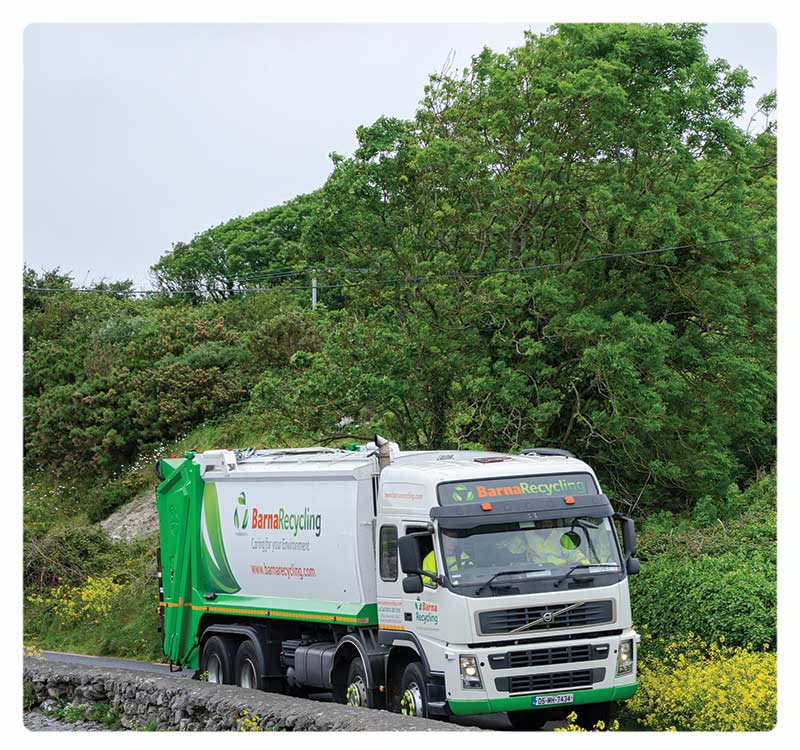
Every Barna Recycling bin is microchipped, so when our truck collects your bin, the onboard technology identifies it, records the weight, and logs that lift directly to your account. You can view a full breakdown of every collection, including bin weights and costs, by logging into your Barna Recycling account online.
The result is a system that’s completely transparent and directly linked to your habits. Households that recycle and compost well consistently pay less than those that don’t – and your account data shows you exactly where your waste is going.
Charges vary slightly between providers and plans, but the structure across Ireland works like this:
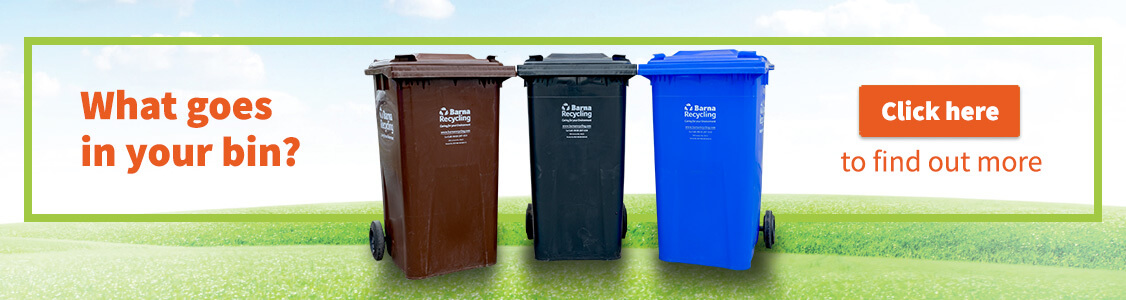
- Black bin (general waste): the highest per-kg rate – typically 25c per kg.
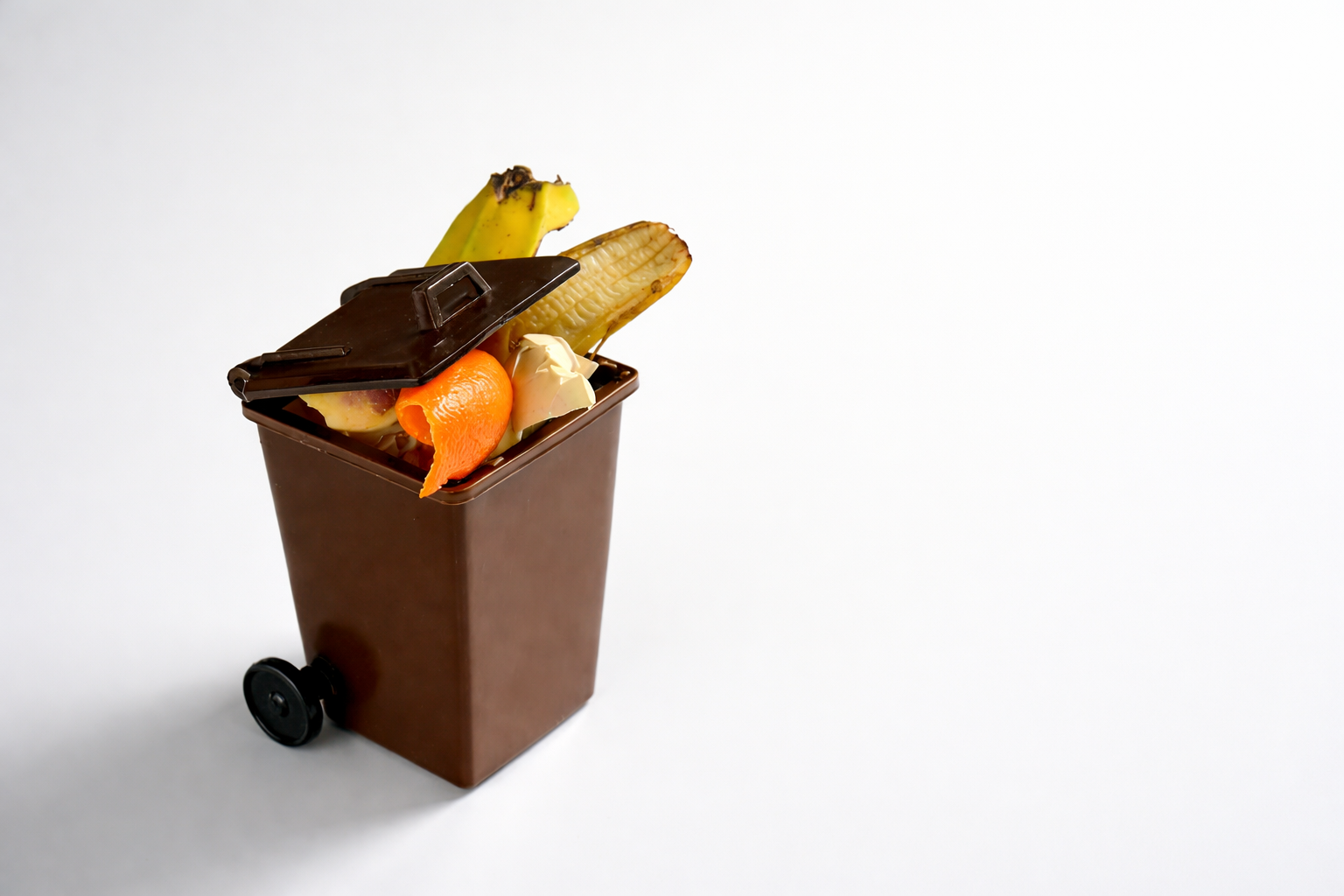
- Brown bin (food/organic waste): a lower rate. At Barna Recycling, this is 15c per kg.
- Blue/Green bin (recycling): a lower rate. At Barna Recycling, this is 5c per kg.
Most plans include a monthly service charge plus the weight-based element on top. The key insight is that your black bin is the one to keep light, and every kilogram you move to the compost bin or recycling bin is a saving.
Example: A household that correctly separates food waste from their black bin can reduce their general waste weight by 30-40%. That’s a meaningful difference across a full year of collections.
What Are the Weight Allowances Per Bin?
Government legislation sets weight thresholds for each waste type. Collections within a billing period, typically 6 months, are charged at the standard rate, with any excess weight charged on top:
|
Bin Size |
Standard Weight Allowance |
|---|---|
| 140-litre bin | 15 kg per lift |
| 240-litre bin | 24 kg per lift |
| 360-litre bin | 45 kg per lift |
You can check your bin size and track your per-lift weights at any time through your Barna Recycling online account, making it easy to stay on top of your usage.
The Government Waste Recovery Levy (And What It Means for You)
In September 2023, the Government introduced the Circular Economy (Waste Recovery Levy) Regulation 2023. The purpose of the levy is to increase the cost of disposing of general waste, making recycling and correct waste segregation the more financially attractive option for households and businesses alike.
The levy is applied at a rate of €10 per tonne of waste disposed, plus VAT at 13.5% – and it applies to general waste sent for recovery or disposal, not to recycling or compost.
The good news is that you have direct control over how much this affects your bill. By ensuring your waste is correctly segregated and making full use of your green recycling bin and brown compost bin wherever possible, you minimise the volume of general waste your household generates, reducing the impact of the levy. It’s another reason why the habits that are good for the environment are also good for your pocket.
What Changed in 2024?
From 1 January 2024, all bin collection companies in Ireland are legally required to provide brown bins to every household, including rural areas and smaller villages that weren’t previously covered.
If you’re a Barna Recycling customer in a rural area and have recently received a brown bin, this is why. It’s a positive development: the brown bin is your most cost-effective waste stream, and using it correctly for food and organic waste directly reduces the weight and cost of your black bin collections.
The rollout of compost (brown) bins to all our customers across Connacht has presented some logistical and operational challenges, particularly due to the low level of demand and uptake of the service. As a result, there has been a delay in some customers receiving their brown bin. We expect the rollout to be fully completed by the end of July 2026.
What goes in the brown bin:
- All food scraps – cooked and uncooked
- Fruit and vegetable peelings
- Tea bags and coffee grounds
- Paper bags and paper towels
- Grass cuttings and garden waste
Food waste is particularly heavy due to its high water content. Keeping it out of your black bin is one of the most effective things you can do to manage your collection costs.
See our full guide on what goes in the brown bin.
Why Is the Black Bin Charged at a Higher Rate?
Waste in the black bin is typically sent for incineration or landfill, which are the most resource-intensive and environmentally costly forms of disposal. The pay-by-weight pricing structure reflects this: it’s deliberately designed to make recycling and composting the more affordable choice.
This is the ‘polluter pays’ principle at work, but it’s equally a reward for doing the right thing principle. Barna Recycling customers who segregate well benefit from lower effective costs every collection cycle.
How Do I Know What My Household Is Generating?
Log in to your Barna Recycling account to see a detailed history of your collections, including the weight of every bin lift and what each collection cost. This data is one of the genuine advantages of pay by weight: you can see exactly which bin is costing the most, whether your waste is trending lighter over time, and where the biggest opportunities are.
If you’d like help interpreting your account data or want to explore whether a different plan might suit your household better, our customer service team is happy to help.
You can contact our team through your Household App or the Contact Us page.
Frequently Asked Questions
How is my bin weighed?
Each Barna Recycling bin is microchipped. Our trucks are fitted with weighing technology that identifies your bin at the point of collection, records its weight, and assigns that figure to your account automatically – all without any action needed on your part.
Can I track my collections online?
Yes. Log in to your Barna Recycling account to see your full collection history, per-lift weights, and a breakdown of charges by bin type.
What’s the difference between pay by weight and pay per lift?
Pay-per-lift charges a flat fee each time your bin is collected, regardless of how heavy it is. Pay-by-weight charges are based on actual weight, so a lighter bin genuinely costs less. Pay-per-lift is no longer the standard charging method in Ireland.
Do I have to pay for my brown bin?
Since January 2024, all Irish households are entitled to a brown bin collection. At Barna Recycling, brown bin collection is charged at a lower per-kg rate than general waste, making it both environmentally and financially a sensible option for food and organic waste.
Are pre-paid bin bags or bin tags still available?
No. Pre-paid bags and flat-fee annual charges are no longer permitted under Irish legislation. All collection charges must be based on the weight of waste collected.
What if I live in an apartment?
Apartment complexes typically use shared bins managed through management companies. How pay-by-weight charges are allocated within a complex is a matter for the management agent. Contact your management company for details specific to your building.
Can I reduce my charges further by composting at home?
Yes. Home composting diverts food and garden waste entirely away from collection, reducing the weight of both your brown and black bins. It’s low-effort once set up and a great complement to your bin collection service.
Make the Most of Your Barna Recycling Service
Your Barna Recycling account gives you full visibility of your waste collection: weights, costs, and collection history, all in one place. If you haven’t logged in recently, it’s worth taking a few minutes to review your data and see how your household is doing.
If you’re not yet a Barna Recycling customer, join today to get transparent pay-by-weight pricing, a full digital account, and bin collection across Galway, Roscommon, Mayo, and the wider Connacht region.