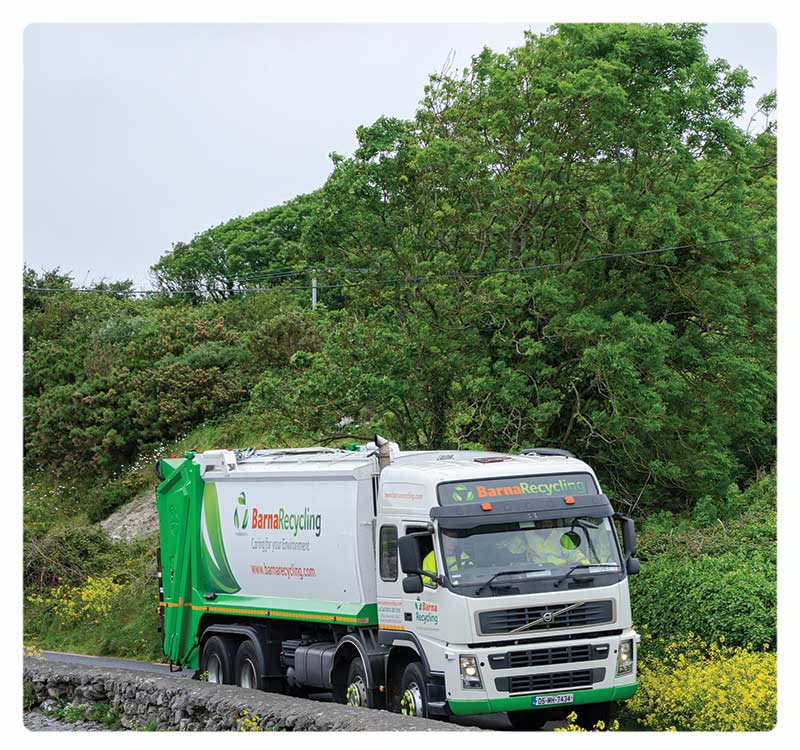



Welcome to Barna Recycling, your Number One Environmentally Friendly Waste Collection Provider.

Switch to Barna Recycling today and save!

How can Barna Recycling help you today?


You can trust Barna Recycling to manage all of your waste management services.

General household or commercial waste, organic or recyclable materials, you can depend on Barna Recycling to take care of it all.
We are Connacht’s leading provider of waste management services and guarantee to provide a professional, reliable and
environmentally friendly service, every time. Switch to Barna Recycling today and save!

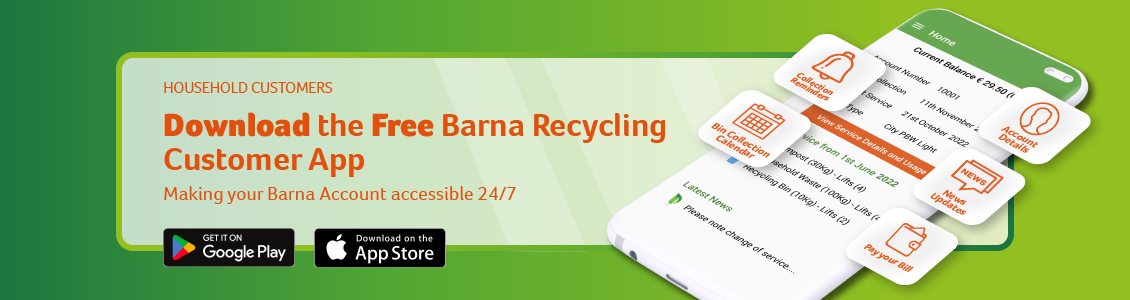
Log-in to your personalised customer account today!


Latest News

  • The Complete Guide to Smart Bulk Waste Management (2026 Edition)
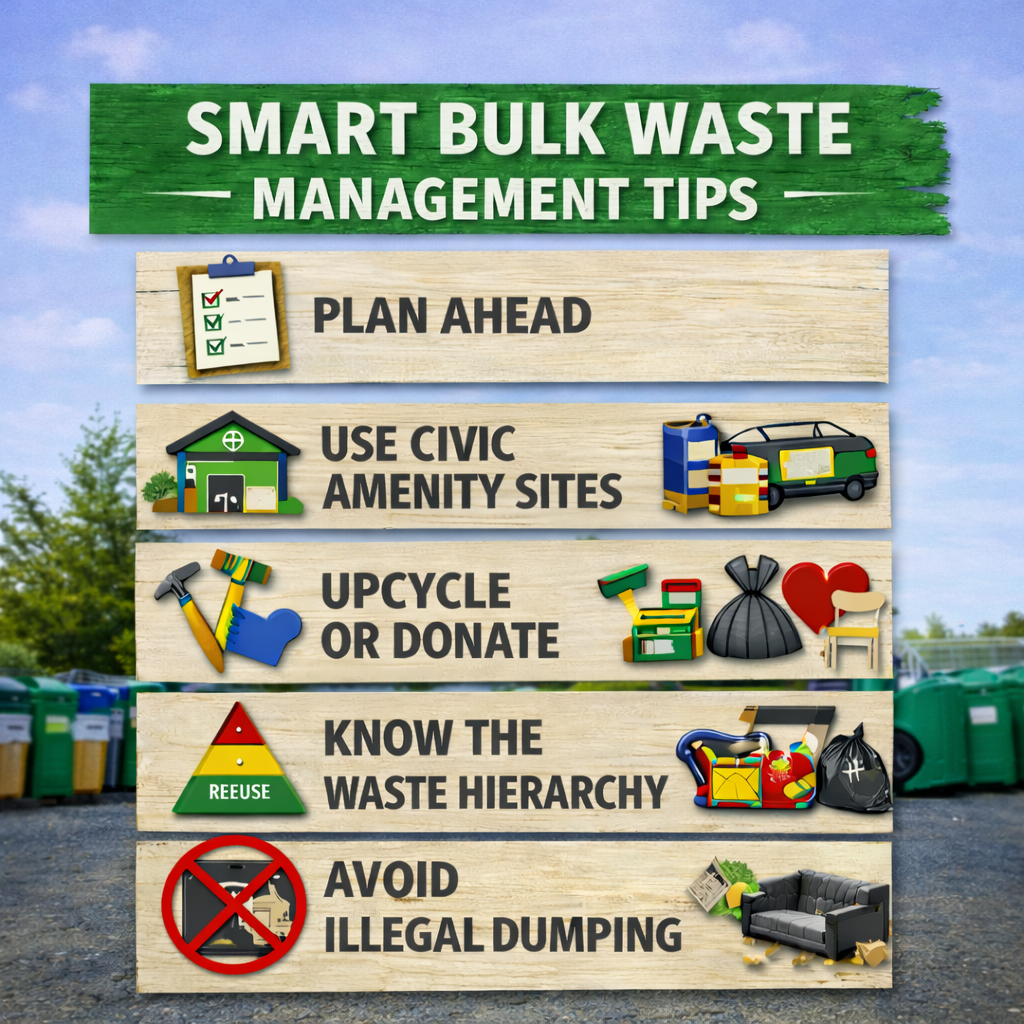
    Large, bulky waste items — from old mattresses to worn‑out wardrobes — often leave Irish homes feeling cluttered and confused about what to do with them. These pieces are too big for your household bins and, if not properly managed, can end up in landfill unnecessarily. 

    Whether you’re spring‑cleaning, renovating, moving home, or simply doing a clear‑out, this updated guide will walk you through smart, sustainable, and cost‑effective ways to handle bulky waste. We’ll cover what counts as bulky waste, how to make the most of reuse and recycling options, and practical steps to make your next disposal trip easier.


    What Counts as Bulky Waste? (And Why It Matters)

    Bulky waste refers to large items that can’t fit into your regular household bin — things like:

    • Sofas, chairs & tables
    • Mattresses & bed frames
    • Wardrobes & shelving units
    • Large appliances (fridges, freezers, washers)
    • TVs & other large electronics

    Knowing what qualifies helps you plan disposal properly and avoid fines or unnecessary landfill trips. It also helps you choose the right recycling or reuse option, ensuring materials are repurposed wherever possible. 


    Tip #1: Plan Before You Declutter — Sort First

    Before hauling items away, set aside time to assess what can be kept, reused or recycled. This simple upfront step does three big things:

    1. Reduces waste at the source by avoiding unnecessary throws. 
    2. Helps you identify reusable pieces for donation or resale.
    3. Saves money – fewer trips to disposal sites and fewer charges.

    How to sort your bulky waste:

    • Keep items that are still functional
    • Repair / Upcycle items with minor wear (see next section)
    • Donate pieces in good condition
    • Recycle / Dispose of only what can’t be reused

    This upfront sorting is part of responsible waste planning and puts the circular‑economy principle – reducing waste before disposal – into practice. 


    Tip #2: Give Old Items a Second Life (Upcycling & Donation)

    Instead of heading straight to disposal, think about reuse or repurposing

    Upcycling

    Upcycling is about turning something old into something new and useful – sometimes even better than its original form. For example:

    • Turn an old wooden dresser into a feature shelf
    • Repaint and re‑upholster tired chairs for a fresh home look
    • Convert old doors into rustic worktops or garden benches

    These creative projects not only cut waste, but can also be a weekend project that saves money and reduces your environmental footprint.

    Donate to Charity or Community Reuse Centres

    If your bulky item is still in decent condition, many charities and community groups will gladly take it off your hands. Before donating, check whether they accept large items, especially bulky furniture.

    This is a win‑win: your item goes to someone who needs it, and fewer resources go to disposal. 


    Tip #3: Use Your Local Civic Amenity Site Like a Pro

    When reuse isn’t possible, your local civic amenity site is the next best stop. At Barna Recycling sites, you’ll find experienced staff on hand to help you:

    • Identify different waste types
    • Suggest the right places for each item
    • Advise on recycling options, including WEEE (Waste Electrical & Electronic Equipment), which is accepted free of charge 

    Quick practical steps for your visit:

    ✔ Plan ahead – know what you’re bringing
    ✔ Secure items safely for transport
    ✔ Ask staff for help if you’re unsure where something goes

    This not only makes your trip more efficient but also ensures materials are recycled or disposed of correctly, protecting the environment and local communities. 


    Tip #4: Know Ireland’s Waste Hierarchy

    Understanding the waste hierarchy helps you make the most sustainable choices:

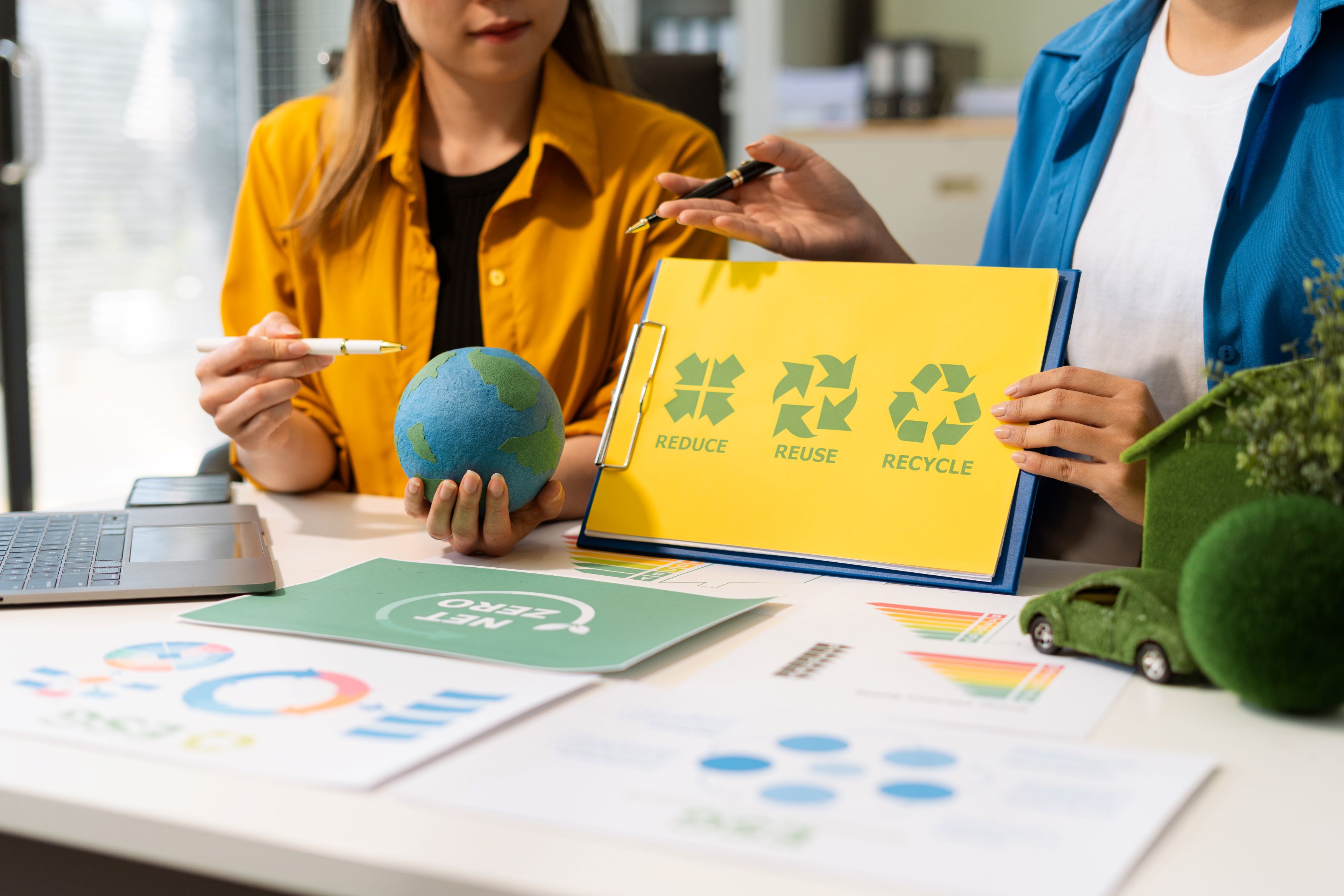
    1. Reduce
    2. Reuse
    3. Recycle
    4. Recover
    5. Dispose

    Bulky waste management should always aim for the highest possible step, for example, reuse before recycling. This approach reduces pressure on landfills and supports a circular economy mindset. 


    Tip #5: Avoid Common Bulky Waste Mistakes

    Here are a few things people often overlook:

    🚫 Leaving bulky items on the kerb. In most Irish councils, this isn’t an approved disposal method and can result in fines.

    🚫 Putting bulky waste in household bins – not only will it not fit, but it’s unfair on collectors and contaminates recycling.

    ✅ Calling ahead if you need help unloading at a civic site.

    ✅ Breaking down items where possible to save space and make transport easier.


    Why Smart Bulk Waste Management Matters (Beyond Your Home)

    Smart disposal is about more than clearing space. Effective bulky waste management:

    • Supports recycling targets
    • Reduces landfill waste
    • Saves resources by keeping materials in circulation
    • Supports community reuse and charity efforts

    Together, these impact Ireland’s environmental goals – and your local area – in a positive way.


    Better Bulk Waste Habits Start Here

    Managing bulky waste doesn’t have to be confusing or wasteful. With a little planning, some creative reuse, and the right drop‑off strategy, you can make a big difference – for your home and the planet.

    Ready to make bulky waste disposal easier?

    Sign up with Barna Recycling today for priority access to sites, reminders and waste‑management support. 


  • How Cold Weather Affects Your Bins (And What You Can Do About It)

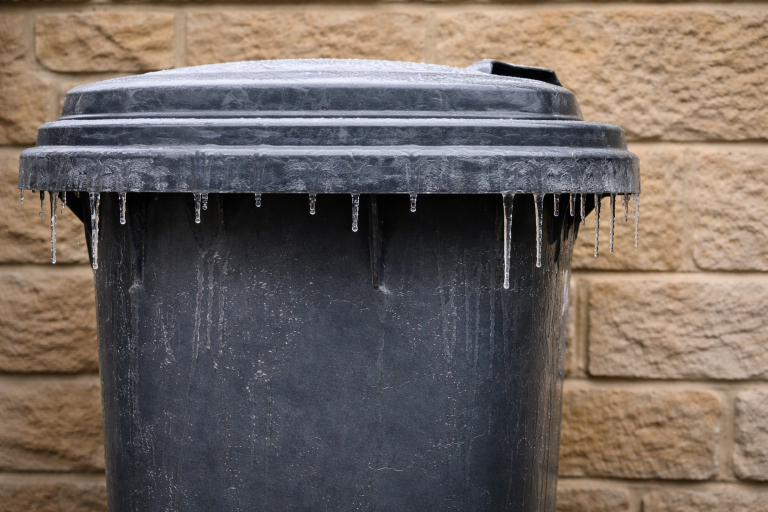
    Winter in Connacht has a habit of keeping us on our toes. One day it’s heavy rain, the next a hard frost, with the odd cold snap thrown in for good measure. While we’re keeping warm indoors, our bins are left to face the elements outside, and that can lead to a few seasonal frustrations.

    From food waste freezing solid in your brown bin, to rain-soaked bins that feel twice as heavy after the Christmas clear-out, winter can make everyday waste management a little more challenging. The good news? A few small changes to your routine can make a big difference.

    Below, we’ve rounded up some of the most common winter bin issues and shared simple, practical tips to help keep things running smoothly right through the colder months.

    Frozen Food Waste in the Brown Bin

    When temperatures drop, food waste can easily freeze to the bottom or sides of your brown bin. Items like peelings, leftovers, tea bags and coffee grounds are especially prone to sticking, making bins difficult to empty on collection day.

    To help prevent freezing:

    • Line the bottom of your brown bin with cardboard, newspaper or a few sheets of used paper. This creates a barrier and helps stop waste from sticking.
    • Wrap wetter food waste in paper or compostable caddy liners before adding it to the bin.
    • Keep your brown bin in a sheltered spot if you can, such as beside the house or under a porch.

    Rain-Soaked, Heavy Bins

    Winter rain can quickly add extra weight to your general and recycling bins, particularly if lids are left open. Wet contents are not only heavier to move, but they can also make it harder for bins to empty properly during collection.

    Keep your bins lighter and easier to manage by:

    • Making sure lids are fully closed at all times. If wind is an issue, a simple weight can help keep them shut.
    • Removing bin lock or straps. We would request these are not on the bins when presented for collection. Bin locks or bin straps that have loose straps that could potentially get caught in the lifting mechanism on the trucks or more importantly could get caught on our crews clothing and cause an injury.
    • Avoiding overfilling. Bins packed too tightly may not empty fully.
    • Breaking down cardboard and packaging to save space, but without compacting materials too much.

    Should you have additional waste to dispose of, such as extra bags or cardboard boxes, please make sure you let the office know beforehand.

    Smelly Bins in Cold Weather? It Happens!

    It’s a common myth that bin odours are only a summer problem. In winter, reduced airflow and extra moisture can still lead to unpleasant smells – especially in compost bins.

    To keep things fresher:

    • Add dry materials like shredded paper or cardboard to your brown bin to absorb moisture and balance food waste.
    • Rinse your kitchen caddy regularly, particularly if you’re disposing of meat or dairy scraps.
    • Give your bins a quick rinse between collections using a simple vinegar and water solution to stay on top of odours.

    Be Weather-Wise on Collection Days

    Frosty mornings, storms or icy conditions can sometimes make collections more challenging or cause delays. A little care when putting bins out helps keep everyone safe.

    Please remember to:

    • Place your bin somewhere accessible, away from icy patches or parked cars.
    • Avoid putting bins out too early the night before if frost is forecast.
    • Check our website for service updates during periods of extreme weather.
    • If you have purchased a bin lock or straps, we would request these are not on the bins when presented for collection. Bin locks or bin straps that have loose straps that could potentially get caught in the lifting mechanism on the trucks or more importantly could get caught on our crews clothing and cause an injury.

    Bonus Tip: Winter-Proof Your Bin Hygiene Routine

    Winter is a great time for a quick bin check-up. Give your bins a rinse, look out for cracks or damaged lids, and make sure you’re stocked up on compostable liners or caddy bags. A little maintenance now can save hassle later and help the rest of the season run more smoothly.

    A Smoother, Cleaner Winter Starts With the Right Bin Service

    Winter waste management does come with its own quirks, but a few thoughtful adjustments can make all the difference. Small habits add up, and they help keep your home, and Connacht, a cleaner and more pleasant place this winter.

    A reliable bin service makes all the difference during the colder months. With regular collections, clear guidance and local support you can count on, Barna Recycling helps take the stress out of winter waste. Whether you’re managing a busy household or simply want peace of mind when the weather turns, signing up means one less thing to worry about this winter.

    Not yet a Barna Recycling customer? Sign-up here.

  • Preparing for the Circular Economy: What Ireland’s New Waste Plan Means for You

    Big changes are coming to how we handle waste in Ireland, and they’re set to impact every household and business across Connacht. In 2024, Ireland launched its National Waste Management Plan for a Circular Economy (NWMCE), a comprehensive roadmap designed to shift our current linear waste habits (‘take, make, dispose’) to a more sustainable, circular model focused on reuse, repair, and recycling.

    But what exactly is a circular economy? Why does it matter to you? And how can Barna Recycling help you stay ahead of the curve?

    In this blog, we break down what the circular economy means in practical terms, outline the key changes coming down the line, and offer actionable steps you can take now to future-proof your household or business.


    What is a Circular Economy?


    At its core, a circular economy is about keeping resources in use for as long as possible. Instead of throwing things away after a single use, we reuse, repair, share, refurbish and recycle. This model reduces pressure on the environment, reduces waste, and helps create a more resilient local economy.

    For example:

    • Fixing a broken chair instead of dumping it
    • Choosing products with less packaging
    • Donating or selling unwanted goods
    • Composting food waste

    In the context of waste management, a circular economy means reducing the amount of waste we generate in the first place, improving segregation of waste streams, and increasing recycling and recovery rates.


    Key Points from Ireland’s New Waste Plan


    The new NWMCE is Ireland’s first waste management strategy that fully embraces circular economy principles. Here are some of the main goals and shifts it brings:

    1. Waste Prevention as Priority
      Prevention is now the top of the waste hierarchy. The plan encourages smarter consumption and aims to reduce waste generation by at least 10% per capita by 2030.
    2. Stricter Rules on Contamination
      Households and businesses will be held to higher standards when it comes to bin contamination. Incorrect sorting could result in rejected collections and possible charges.
    3. Mandatory Segregation for Businesses
      Starting in July 2025, all Irish businesses are required to separate organic, recyclable, and general waste correctly, with fines for non-compliance.
    4. Focus on Reuse & Repair
      New infrastructure and funding will support repair hubs, swap shops, and reuse initiatives across the regions.
    5. Producer Responsibility Expansion
      Brands will need to take more responsibility for the full life cycle of their products and packaging.
    6. Local Authority Action Plans
      Every county and city must develop local Circular Economy Action Plans. This includes Galway, Mayo, Roscommon, and the surrounding areas.


    What Does This Mean for You?


    Whether you’re a homeowner or a small business, the new waste plan brings both responsibility and opportunity.

    For Households:

    • Expect more guidance and checks on how you sort your waste
    • Take advantage of local repair cafes and swap events
    • Be mindful when buying: choose durable, repairable products
    • Be aware of good and bad packaging for recycling or reuse when making purchases
    • Compost food waste at home or use your brown bin properly

    For Businesses:

    • Review your waste segregation systems now
    • Train staff on correct waste sorting practices
    • Prepare for documentation requirements
    • Consider reusable packaging or take-back schemes


    How Barna Recycling Can Help


    As Connacht’s leading waste management provider, Barna Recycling is ready to support households and businesses as they transition to a circular economy.

    • Expert Advice: Our team can guide you through compliance with the new rules
    • Education Resources: We provide bin labels and flyers for schools and businesses
    • Collection Services: From brown bin support to recycling pickups, we help you segregate properly
    • Reuse & Recovery Focus: We’re investing in systems that prioritise waste prevention and material recovery

    We’re committed to supporting Connacht communities in reducing waste and creating a more circular, sustainable region.


    Start Today for a Greener Tomorrow


    The shift to a circular economy won’t happen overnight, but every small step counts. Whether it’s fixing a toaster instead of tossing it or teaching your children to recycle right, the change begins at home and in the workplace.

    Don’t wait until the new rules catch you off guard. Partner with Barna Recycling today to stay ahead and make a positive impact on our local environment.

    Ready to take action? Sign up now for Barna Recycling services and start your journey towards a circular lifestyle.

  • Why You Should Never Bin Batteries or Vapes in Your Household Waste

    As more Irish households adopt devices powered by batteries or rechargeable components, it is vital to understand the risks of disposing of used batteries and vapes incorrectly. Putting them into your general waste bin might seem harmless, but in fact it carries serious dangers—for safety, for the environment, and for workers in the waste industry.

    This post explains those hazards, outlines the correct disposal methods in Ireland, and answers common questions. It is optimised for local SEO and aligned with Barna Recycling’s ethos in Connacht.


    A Massive Danger for Householders

    Householders should know there’s a real fire risk from discarded batteries and vapes. If these are damaged or crushed in a wheelie bin, a bin truck, or at a sorting facility, lithium cells can short out and flare up, sometimes with little warning.

    A small fire can spread quickly, fill the air with toxic smoke, and damage fences, sheds, and vehicles, which can put people and pets at risk. Fires like this can also disrupt collections and mean costly repairs or insurance claims.

    The safest approach is to store used batteries and vapes in a cool, dry place away from anything flammable, and take them to a designated drop-off point or an approved battery recycling service. The following section dives deeper into the consequences of the incorrect disposal of batteries and vapes.


    Why Batteries and Vapes Don’t Belong in Your Household Bin


    Fire and Thermal Runaway in Waste Streams

    When batteries (especially lithium‑ion types) are crushed, punctured or damaged during waste collection or processing, they may enter thermal runaway, heating up uncontrollably, igniting nearby materials or even reigniting after being extinguished. In waste handling facilities, battery‑related fires are among the leading causes of serious incidents.

    Globally, the rate of catastrophic fire losses in recycling and waste facilities is rising: one study found that the rate has increased by 41 % over the past five years, with many of those incidents traced to misdisposed lithium batteries.

    The waste industry estimates that batteries are responsible for about half of the fires in waste and recycling streams.


    Environmental and Health Hazards

    Batteries and vape devices contain hazardous substances, such as heavy metals, corrosive electrolytes and other toxic chemicals. When landfilled or exposed to leaking conditions, these substances can leach into soil and groundwater, harming ecosystems, contaminating water sources and posing risks to human health.

    Vape devices also may contain residual nicotine liquid, which is toxic and can pose spill or contamination risks if the device leaks.


    Legal and Regulatory Obligations in Ireland

    In Ireland, waste batteries and electronic equipment (WEEE) are regulated under national and EU law. They are classed as hazardous waste, so it is illegal to dispose of them in general household bins.

    The European Union (Batteries and Accumulators) Regulations 2014 set out important obligations for battery producers, importers and distributors in Ireland.

    In March 2024, new Battery Regulations under EU Regulation 2023/1542 came into effect in Ireland, with staged implementation of stricter rules on collection, labelling, producer responsibility and recycling targets.

    Retailers in Ireland that sell electronic goods or batteries must accept waste batteries (of a type they sell) from customers free of charge for recycling.

    It is also required that waste batteries never be placed in waste or recycling bins.


    So, What Should You Do With Your Used Batteries and Vapes?

    Disposing of batteries and vapes properly is easier than you might think. Here’s how:

    1. Don’t put them in the general waste bin.
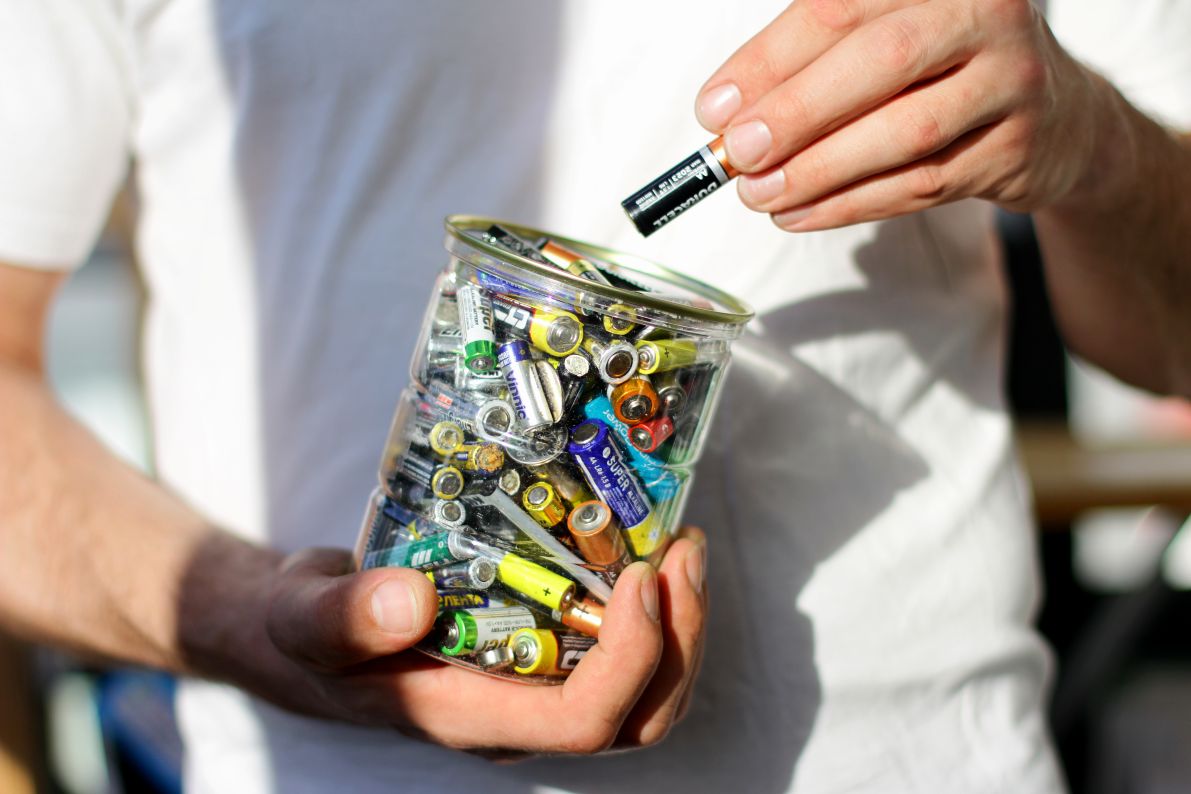
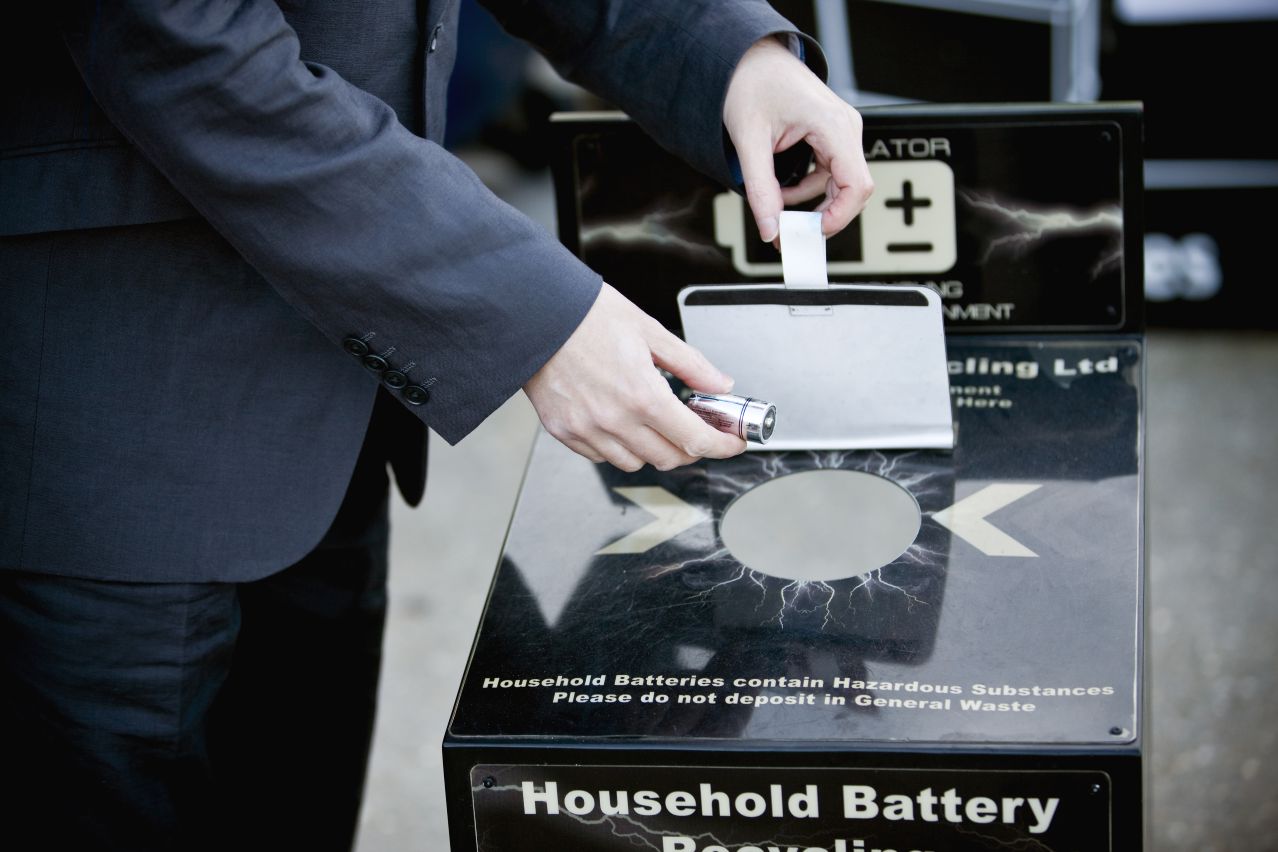
    2. Use battery collection points. You’ll find free “Blue Battery Boxes” in local shops, supermarkets, electrical retailers, and your nearest civic amenity site.
    3. Separate removable batteries from vapes. If the battery can be taken out, drop it into a battery box. If not, recycle the entire device via a WEEE drop-off point.
    4. Cover battery terminals with tape. This prevents sparks or contact with other metals in transport.
    5. Use local recycling centres. Visit weeeireland.ie or mywaste.ie to find your nearest drop-off location.
    6. Take advantage of take-back schemes. If you’re buying a new vape or electronic item, ask the retailer to take your old one – they’re legally obliged to do so, even if you didn’t buy the original item there.

    All of this is completely free of charge for consumers.

    Where to Recycle Batteries and Vapes in Connacht

    Here are some simple ways to safely dispose of your items:

    • Battery recycling bins are widely available in Connacht supermarkets and newsagents.
    • Barna Recycling’s civic amenity sites accept batteries and electronic waste. Visit our Household Recycling page for opening hours.
    • Your local vape shop must accept your old device when you purchase a new one.
    • Your nearest WEEE collection point – check weeeireland.ie for details.


    FAQ (Frequently Asked Questions)

    Can I put used batteries in the household recycling bin?
    No, you should not. Batteries are classified as hazardous waste and must not go into household waste or recycling bins.

    What do I do with a disposable vape I cannot open?
    If the battery is not removable, recycle the entire device via a WEEE drop‑off point, making sure any remaining liquid is disposed of safely and the unit is not binned.

    Will I be charged to recycle batteries or vapes in Ireland?
    No. Recycling of batteries and WEEE in Ireland is free to consumers.

    Which types of batteries are acceptable for recycling?
    Portable batteries (AA, AAA, coin cells etc.), batteries from small appliances, rechargeable batteries, and electronic devices all fall under acceptable categories for battery/WEEE collection.

    Why is it so dangerous to bin vapes or batteries?
    Mechanical damage in bin lorries or waste facilities can trigger thermal events, leading to fires, reopening of smouldering cells, or ignition of waste materials. These fires are difficult to extinguish and pose danger to workers and infrastructure.


    Do the Right Thing (and Recycle)

    Disposing of vapes and batteries properly might seem like a small action, but it makes a massive difference, preventing fires, protecting waste workers, and keeping harmful substances out of our environment.

    Don’t take the risk. Binning them could cost far more than a trip to your local drop-off point.

    Make the responsible choice today. Recycle your batteries and vapes properly, and if you’re not yet signed up with Barna Recycling, you can do so easily right here.

  • Back to School: How to Pack a Zero‑Waste School Lunch

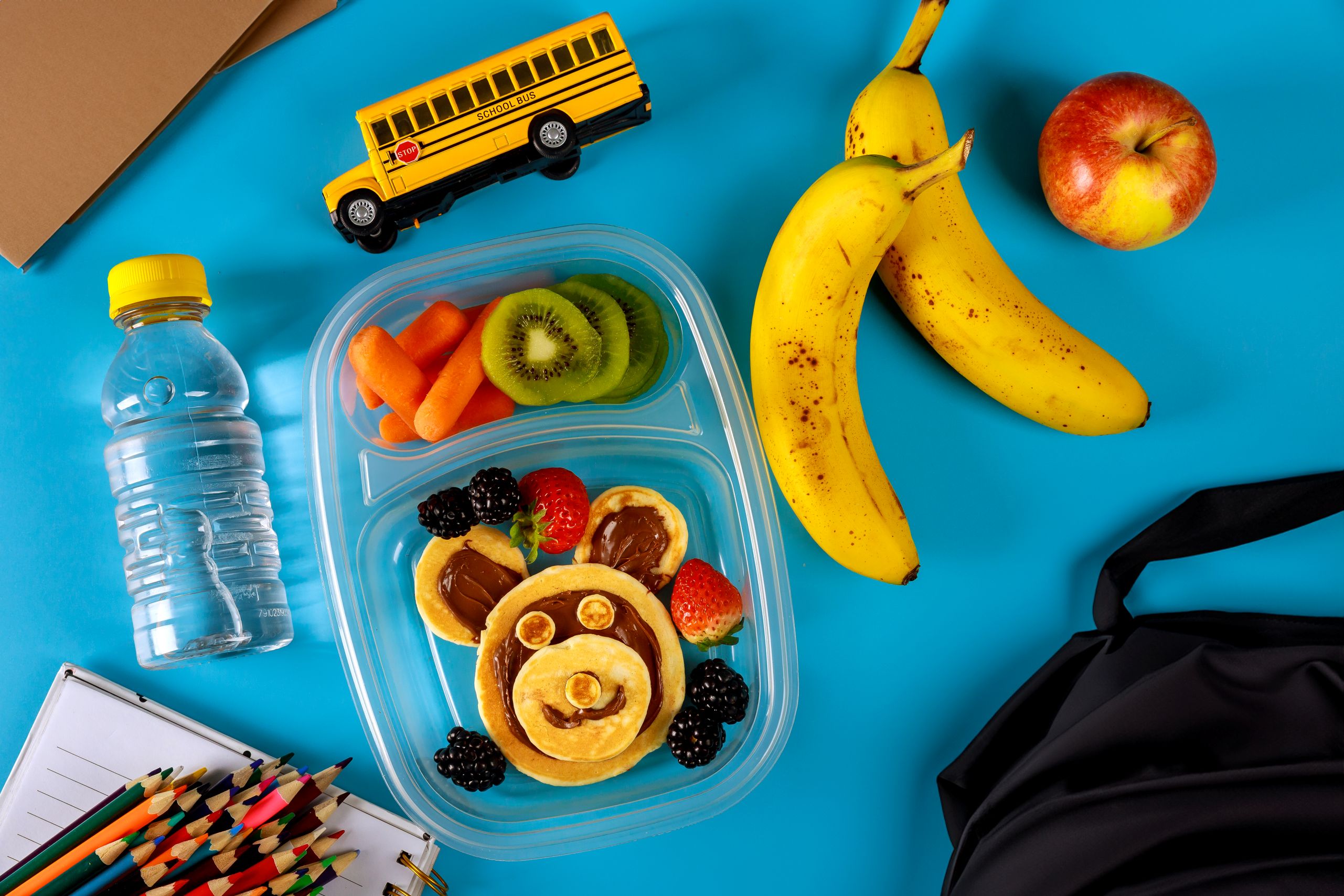
    school-lunch-box-with-pancakes-vegetables-and-fru-2025-01-09-18-44-12-utc

    School is back in full swing across Connacht. The early alarms, the new timetables, the school runs – they’ve all returned. And so has the daily question: what’s going in the lunchbox? If you’ve found yourself reaching for the same packaged snacks and juice boxes again, you’re not alone.

    But there’s a better way. It’s not about perfection. It’s about small, practical swaps that can lighten the bin and brighten your child’s day. Welcome to the joys of a zero‑waste school lunch.

    A zero‑waste lunchbox isn’t about being perfect or overhauling your whole routine. It’s about reducing packaging, using everyday reusable items, and lowering waste without extra hassle. It’s a small change with a big impact on our local environment, and it helps families save time and money as the school term gets busier.


    Why Zero‑Waste Lunches Matter (Especially Here in Ireland)


    Less landfill, more green
    In Irish classrooms and homes, food and packaging waste go hand in hand. In fact, almost 30% of all food produced in Ireland ends up as waste, and schools are one of the biggest contributors. Cutting down lunchbox waste is one of the simplest yet most powerful ways to tackle this.

    Boost healthy habits and awareness
    Opting for reusable containers, beeswax wraps, or stainless-steel bottles doesn’t just help the planet. It also opens up conversations with kids about the environment, personal responsibility, and smarter choices. It’s a brilliant opportunity to teach sustainable habits now that the school year is underway.

    Save money over time
    Those cling film rolls and juice boxes add up. Investing in durable, reusable gear may cost a little upfront, but over a term or a year, your wallet (and the Earth) will thank you.


    5 Simple, Sustainable Lunchbox Swaps

    1. Ditch the disposables

    Swap cling film, foil, and cereal bars in plastic wrappers for reusable lunchboxes, beeswax wraps, or stainless containers. These durable swaps pay for themselves over time. They’re eco‑friendly and wallet‑friendly.

    2. Skip single-serve drinks

    Instead of juice boxes or pouches, fill a refillable water bottle or stainless-steel drinks flask. You’ll cut plastic waste and avoid those tiny cartons cluttering the bin.

    3. Use cloth napkins and reusable cutlery

    Swap paper serviettes and plastic forks or spoons for cloth napkins and reusable cutlery. They’re charming, practical, and much kinder to the waste bin.

    4. Think bulk, prep smart

    Buy yoghurt or snacks in family-size containers, then portion them into reusable pots. Prepping over the weekend? Batch-make snack packs to cut down prep time during busy school mornings.

    5. Get kids involved and realistic

    Ask them what they’ll actually eat, not just what looks appealing. Overpacking leads straight to waste. Involving children in packing also makes them more likely to eat and care about their lunch. Plus, it’s a lovely bonding moment before the school run.


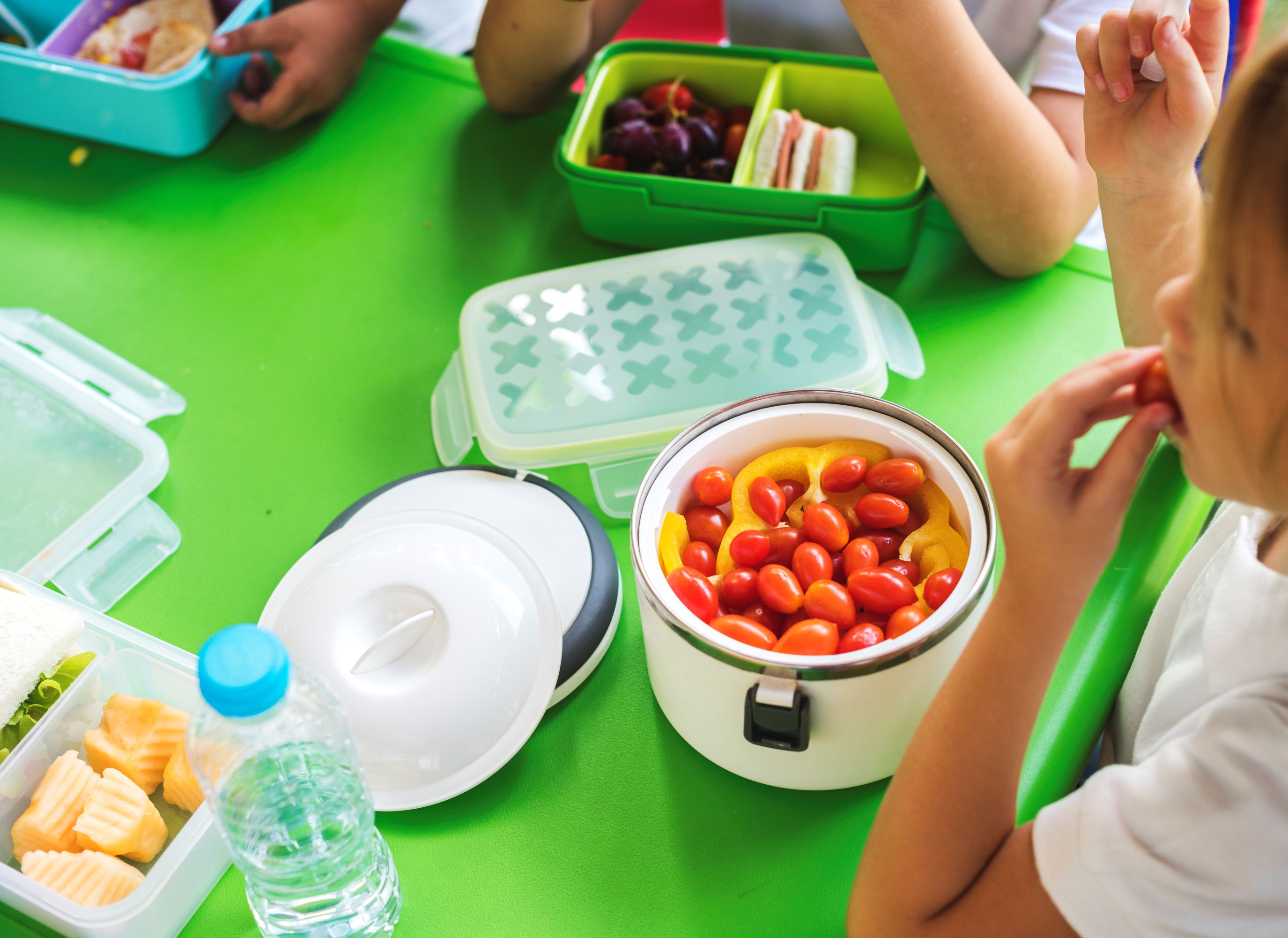
    group-of-kindergarten-students-eating-food-lunch-b-2025-02-10-13-37-56-utc

    A Practical Zero‑Waste Lunch Routine

    • Prep Ahead: Soak and wrap food in the evening. The morning rush is already full enough.
    • Mix it Up: Pair sandwiches with chopped fruit, homemade granola, or a small salad in reusable containers. Variety means less waste and less nagging.
    • Storage Savvy: Use a cooler bag or ice block if needed to keep perishables fresh.
    • Leftovers-Friendly: Choose leak‑proof containers. Leftovers come home as feedback, not landfill fodder.
    • After-School Chores: Let kids rinse and repack their containers. It makes the next day easier and builds life skills.


    A Lighter Bin, A Healthier Mindset

    We’re a few weeks into the school year, and now is the perfect time to reset the routine. Some days you’ll nail it. Others, convenience might win. That’s completely fine. The aim isn’t perfection. It’s progress.

    By taking a few steps towards a zero‑waste school lunch, you’ll start to notice:

    • Less clutter
    • Lighter bins
    • More nutritious, homemade meals going inside

    That’s a win for your child, your wallet, and our planet.


    Let’s Keep Connacht’s Lunches Greener

    A zero‑waste school lunch is about as simple and impactful as eco-action gets. Just a few smart swaps, rooted in local habits, with real benefits in affordability and sustainability. At Barna Recycling, we’re here to support Connacht families in making the rest of this school term cleaner, greener, and more mindful.

    Ready to reduce your household waste even more? Sign up for smarter waste services now.


Barna Recycling are committed to providing our customers with a reliable, consistent and value for money service.


Careers

Join Our Team

At Barna Recycling, we consider our people to be our biggest strength, which is why we are constantly encouraging, training and developing all of our employees. We value hardwork, respect, humility and above all, Teamwork.

Find Out More